
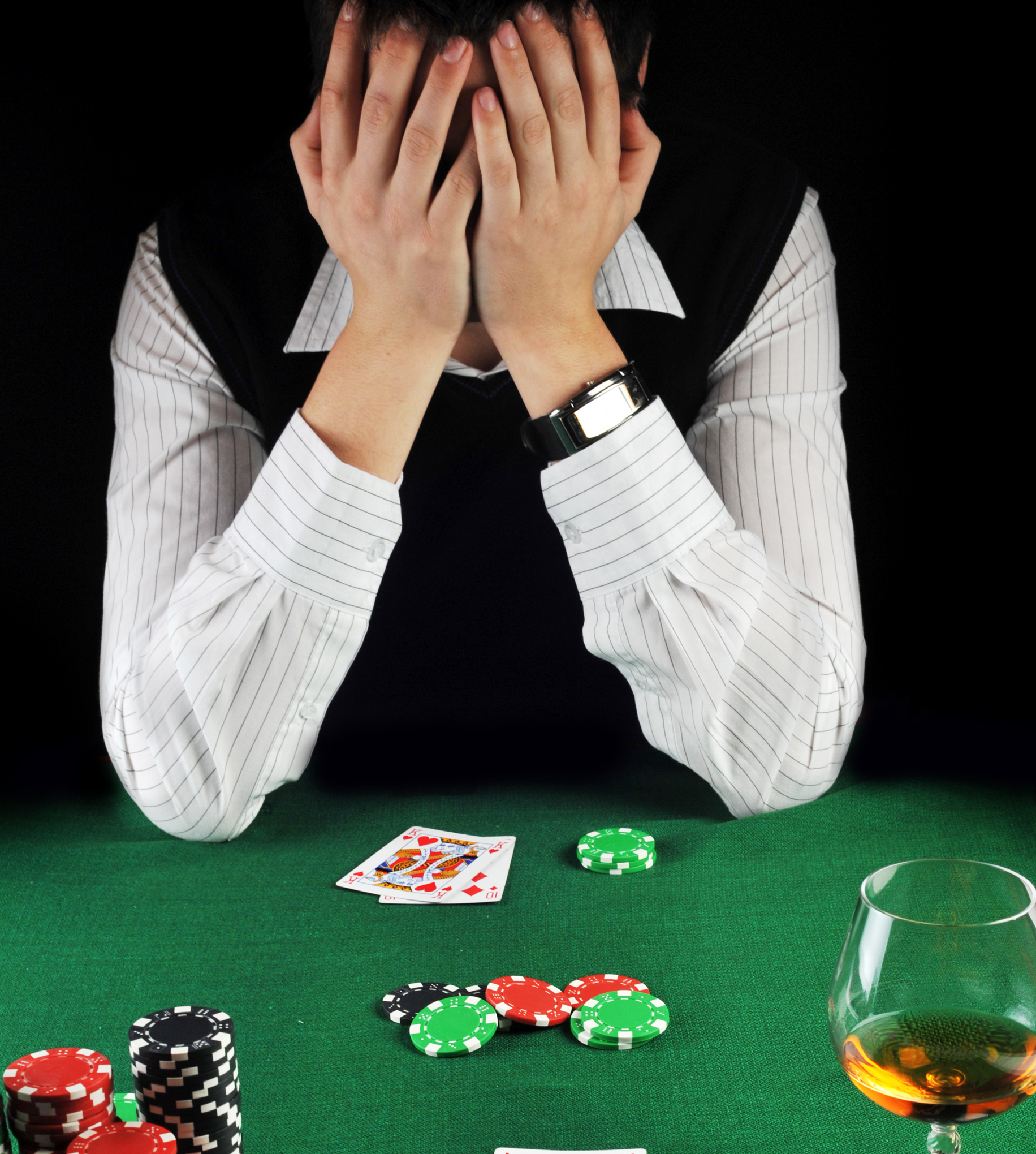
Signs and Symptoms of Gambling Addiction
What does a gambler look like? What is the difference between a gambler and someone with a gambling addiction? Is there any way to identify someone with a gambling addiction?
These may be questions that you might have about gambling addiction. There is not a distinctive physical appearance for gamblers. When you go to Las Vegas or a local casino, you can identify gamblers because they are standing at machines or playing at table games, but out of the casino, gamblers look just like you and me. The difference between a gambler and someone with a gambling addiction is not physical. The gambling addiction is a mental characteristic demonstrated by behavior patterns. Thus, the difference between someone with a gambling addiction and a common gambler is not in how they look but how they behave.
Like people with other kinds of addictions, people with a gambling addiction have the tendency to deny their behavior for compulsive gambling. They may deny it even to themselves, refusing to recognize or understand how their behavior demonstrates compulsive gambling. Therefore, gambling addicts may not think of themselves as “addicted.” For them, their gambling seems to be a natural thing to do, something that is just a part of their personality. In their point of view, they just “like to gamble.” They think of it sometimes as “fun,” even when it is out of control. They may recognize that they have a compulsion, but resist in accepting the fact that they have an addiction.
There are ways to identify someone with a gambling addiction, or even if you have a gambling addiction. Some of the things to look for are:
You gamble in secret
You pursue your gambling activities in such a way that family and friends are not or cannot be aware of it. The desire to keep gambling activities secret reflects a need to deceive others in regard to the level and results of your gambling behavior. This is, of course, because the gambler does not want anyone else to know the level of their compulsive gambling activities and their adverse effects on the gambler’s life. Therefore, attempting to keep gambling activities as secret as possible is seen as necessary.
You can’t control your gambling
You know that you have a gambling problem but seem unable to do anything about it. This may be a good thing because it means that you have a dawning awareness of your gambling problem. However, being aware that one’s gambling may be a problem does not necessarily mean that the gambler is seeking or will seek help in coming to terms with the addiction and dealing with it positively. He or she still needs help.
Can you walk away?
After you start gambling, can you just stop and walk away? If that represents a real problem for you, then you probably have problems with gambling. You have the compulsion for “just one more” spin of the wheel, throw of the dice, or hand of cards.
Too much to lose
You gamble even though you know you can’t afford to lose. After you have experienced a big loss, do you feel compelled to gamble immediately again in the hopes or desperation of winning it all back? Have you spent the money needed to pay the household or other necessary expenses which you really should not gamble with? Even worse, have you borrowed money from friends or lending institutions and gambled with it? What happened after you lost it? Have you ever felt the need to cheat, steal, or do something otherwise illegal in order to gamble or make up for gambling losses?
Friends or family have demonstrated concern
Has your wife wondered why some bills have gone unpaid? He she wondered why you, the household accounts, or she is always short of cash in the bank account? Do friends kid you or ask you about your gambling? If these things sound familiar, then you need to consider the significance of your gambling behavior.
Gambling can become a serious addiction
Compulsive gambling, pathological gambling, is a mental disorder. Gambling addicts can’t control their gambling behavior, can’t stop gambling even though they know there may be significantly negative and adverse consequences. Gambling addiction endangers your personal financial condition, your personal and family relationships, and your own mental stability. Further gambling addiction may also be accompanied by an alcohol addiction and excessive smoking, and these negative behaviors are exacerbated by the tension of increasing gambling losses which are inevitable… Thus, aside from the mental and psychological results of gambling addiction, there may also be serious adverse results in personal physical health.
Help is Waiting!
Thus, it can be seen that gambling addiction is a complex mental condition in which a number of factors are at work in motivating the behavior. It is not a simple matter of just making your mind up to stop gambling, although for a few people, like some people can make up their mind up to stop smoking “cold turkey” and succeed, most don’t. The actual act of gambling is the end result of a number of beliefs, illusions, impulses, and motivations that all go together to make the decision to bet that money a foregone conclusion. That is why treatment for gambling addiction must entail the discovery of the system of beliefs, illusions, impulses, and motivations behind the compulsive gambling behavior as the first steps in eradicating the addiction. That is why psychological counseling, like that offered by Dr. Blair, can be effective because its purpose is not just to stop the bet, but to eradicate the desire to make the bet. Psychological counseling can provide a powerful and effective way of encountering and ending the addiction to gamble.

Dr. Cassidy Blair is a renowned Licensed Clinical Psychologist and trusted Performance Coach who specializes in providing Concierge-Psychological Care and Executive Coaching for high-achieving professionals. With a deep understanding of the unique challenges faced by CEOs, executives, entrepreneurs, and leaders, Dr. Blair offers tailored, confidential care designed to foster emotional well-being, personal growth, and professional excellence. Her clientele values her discretion, clinical expertise, and emotionally intelligent approach to navigating complex personal and professional dynamics.