

The Psychology of Fire Fascination and Impulse Dysregulation
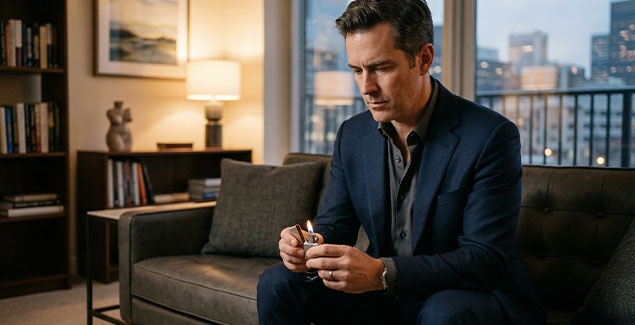
Individuals with genuine Pyromania typically report a long-standing fascination with fire that predates actual fire-setting behavior. This attraction includes preoccupation with fire-related paraphernalia, frequent observation of fires, interest in fire departments and firefighting equipment, and emotional arousal in the presence of flames. The fascination itself does not constitute pathology, but when combined with impulse dysregulation and specific patterns of tension and relief, it creates the conditions for Pyromania.
The fire-setting episode in Pyromania follows a characteristic psychological sequence. The individual experiences mounting tension, often described as restlessness, agitation, or internal pressure that demands release. This tension may arise without apparent external trigger or may follow stressors that the individual cannot adequately process or express through conventional means. Fire-setting provides relief from this tension state, along with feelings of gratification, power, or satisfaction that temporarily resolve the dysphoric experience.
This pattern shares structural similarities with other impulse control disorders such as Kleptomania, Pathological Gambling, and Trichotillomania. Each involves mounting tension, performance of the problematic behavior despite awareness of potential consequences, and temporary relief or gratification following the act. Understanding Pyromania within this broader category of impulse dysregulation informs treatment approaches that address the underlying regulatory deficits rather than focusing exclusively on fire-setting behavior.
Many individuals with Pyromania also struggle with emotional expression and regulation more generally. Fire becomes a concrete, visible manifestation of internal emotional states that the individual cannot articulate or manage through psychological means. The power and destructiveness of fire may represent externalized anger, the warmth and light may symbolically address emotional emptiness, or the consuming nature of flame may express wishes for transformation or obliteration of painful experience.
Differential Diagnosis and Co-occurring Conditions
Accurate treatment for fire-setting behavior depends critically on differential diagnosis. Numerous psychiatric conditions and circumstances can result in fire-setting that superficially resembles Pyromania but requires entirely different clinical approaches.
Conduct Disorder in adolescents frequently includes fire-setting as one element of a broader pattern of rule violation, aggression, and disregard for others’ rights or safety. Unlike Pyromania, fire-setting in Conduct Disorder typically serves instrumental purposes such as intimidation, destruction of evidence, or demonstration of power rather than arising from fascination and tension-relief.
Antisocial Personality Disorder in adults may include fire-setting motivated by revenge, financial gain through insurance fraud, or instrumental purposes within criminal enterprises. These individuals do not experience the characteristic tension-relief cycle or fascination with fire that defines Pyromania, and treatment approaches appropriate for impulse control disorders prove ineffective.
Schizophrenia and other similar disorders may include fire-setting in response to hallucinations, delusions, or severely disorganized thinking. The individual may believe fire cleanses evil, that voices command them to set fires, or that fire-setting serves some idiosyncratic purpose related to their psychotic belief system. Treatment must address the underlying psychosis rather than conceptualizing the behavior as an impulse control disorder.
Intellectual Disabilities may result in fire-setting due to fascination with fire combined with impaired judgment regarding consequences and safety. These individuals lack the cognitive capacity to fully appreciate the danger their behavior creates, requiring behavioral interventions and environmental modifications rather than insight-oriented Psychotherapy.
Substance Intoxication, particularly with alcohol or stimulants, can disinhibit fire-setting behavior that would otherwise remain controlled. The behavior during intoxication does not constitute Pyromania if it does not occur when the individual is sober.
Major Depressive Disorder, Bipolar Disorder, and severe Anxiety Disorders occasionally include fire-setting as an atypical symptom or maladaptive coping mechanism. These individuals require treatment for the primary mood or anxiety condition rather than specialized intervention for impulse control.
Dr. Blair conducts a thorough psychiatric evaluation, including clinical interview, psychological testing when appropriate, and review of any forensic records to establish an accurate diagnosis before initiating treatment.

The Blair Wellness Group Approach to Treating Pyromania
Treatment for genuine Pyromania at Blair Wellness Group combines multiple therapeutic approaches tailored to the individual’s specific psychological profile, the severity and frequency of fire-setting behavior, and any co-occurring psychiatric conditions. Given the potential danger of fire-setting behavior, treatment prioritizes safety while addressing the underlying psychological mechanisms maintaining the disorder.
Cognitive Behavioral Therapy forms the foundation of treatment for Pyromania. This approach identifies the thoughts, emotions, and situational factors that precede fire-setting urges, teaches alternative responses to mounting tension, and develops specific coping strategies for managing fascination with fire without acting on impulses. Individuals learn to recognize early warning signs of escalating urges and implement intervention strategies before reaching the point where behavioral control becomes difficult.
Dialectical Behavior Therapy techniques prove valuable for individuals whose fire-setting relates to broader emotion dysregulation difficulties. Skills training in distress tolerance, emotion regulation, and impulse control addresses the underlying deficits that make fire-setting a compelling response to internal tension states. Mindfulness practices help individuals observe urges without automatically acting on them.
Psychodynamic Psychotherapy explores the symbolic meaning fire holds for the individual and the developmental origins of fascination with flames. Understanding what psychological needs fire-setting meets (whether expression of rage, assertion of power, creation of warmth, or destruction of the old to make way for the new) allows for identification of healthier means of addressing these needs. This deeper work complements behavioral interventions by addressing the psychological substrate from which fire-setting urges arise.
When Pyromania co-occurs with conditions such as Depression, Anxiety Disorders, or Substance Use Disorders, integrated treatment addresses all conditions simultaneously. The individual whose fire-setting intensifies during depressive episodes or whose impulse control deteriorates with substance use requires comprehensive treatment that recognizes these interconnections.

Blair Wellness Group | A Professional Psychological Corporation
Beverly Hills, Irvine, Newport Beach, Arlington, Virginia, & Georgetown, Washington D.C
Beverly Hills, CA
310-999-4996
Irvine, CA
949-444-7427
Satellite Offices:
Beverly Hills, CA
Irvine, CA
La Jolla, CA
Palo Alto, CA
Georgetown, Washington, D.C.
Arlington, VA
Office Hours
Mon-Fri: 7AM – 11PM
Sat-Sun: 9AM – 10PM
At Blair Wellness Group, we extend flexible evening and weekend consultations seven days a week, tailored exclusively for our concierge clientele, discerning professionals, and high-level executives—subject to scheduling availability.
We value the trusting relationship with all clients to serve as a meaningful resource in achieving the shared goal of wellness. For tailored treatment approaches, contact Blair Wellness Group today.
They are very knowledgeable and qualified
Kelvin N.
I absolutely enjoyed the most amazing Coaching and Leadership experience under the care of Dr. Blair. She is the most knowledgeable and qualified Performance Coach and Licensed Psychologists in Beverly Hills, Los Angeles and Irvine with a variety of Psychotherapy programs and Coaching services for professional men.
She is extremely professional and supportive.
Daniel L.
Dr. Blair is the best psychologist and performance coach in Beverly Hills, Irvine as well as Washington DC, Virginia areas. The Blair Wellness Group team are extremely professional and supportive. We’ve been finding the team to be highly talented, welcoming and knowledgeable as well.
For the first time, I found a safe place to speak freely”
Sam B.
“Working with Dr. Blair has been the most rewarding experience. Finally, I have been able to work through addiction, traumas, and severe depression that had debilitated my marriage, life, and work. I am beyond grateful for the great impact, healing, recovery, and teachings of the last year in this incredible process.”

Beginning Treatment for Fire-Setting Behavior
Individuals concerned about fire-setting urges or behavior should seek evaluation promptly, both to ensure safety and to address the psychological factors maintaining the problem. The initial consultation at Blair Wellness Group includes a comprehensive assessment of the fire-setting behavior, differential diagnosis to rule out other conditions, evaluation of risk factors, and development of an individualized treatment plan.
Dr. Blair approaches individuals seeking help for fire-setting with the understanding that initiating treatment requires courage, particularly given the legal and social risks associated with disclosure. The therapeutic relationship provides a confidential space to examine these behaviors honestly while working toward meaningful change, within the ethical and legal parameters that govern clinical practice.
Schedule a Consultation Today
Professionals throughout Los Angeles, Beverly Hills, and Orange County can access comprehensive psychological treatment for Explosive Anger through Blair Wellness Group’s private-pay, concierge model. To schedule a confidential consultation with Dr. Cassidy Blair or to learn more about treatment options, contact Blair Wellness Group today.
Areas Served:
Blair Wellness Group proudly serves clients throughout Los Angeles, Beverly Hills, Bel Air, Century City, Hollywood Hills, West Hollywood, Brentwood, Westwood, Manhattan Beach, Malibu, Pacific Palisades, Irvine, Newport Beach, Laguna Beach, Laguna Niguel, Mission Viejo, Aliso Viejo, Dana Point, Corona Del Mar, Huntington Beach, San Diego, La Jolla, Arlington, Fairfax, Alexandria, Georgetown, Capitol Hill, Palisades, Washington D.C., and other surrounding areas in Virginia, California and Washington D.C.
FAQs about Pyromania Treatment
Is Pyromania the same as arson?
Pyromania and arson are distinct concepts. Arson is a legal term describing the criminal act of deliberately setting fires, while Pyromania is a rare psychiatric diagnosis characterized by recurrent fire-setting driven by fascination and tension-relief rather than external motives like revenge or financial gain.
Can someone with Pyromania be successfully treated?
While research remains limited due to the rarity of true Pyromania, clinical experience indicates that motivated individuals who engage in comprehensive treatment combining behavioral interventions, Cognitive Behavioral Therapy, and deeper psychological work can achieve significant reduction in fire-setting urges and behavior.
Will seeking treatment for fire-setting result in legal consequences?
Confidentiality protections apply to treatment for Pyromania as with other conditions, though clinicians must break confidentiality when there exists serious imminent danger to identifiable others. Dr. Blair discusses these limitations explicitly before treatment begins so individuals can make informed decisions about disclosure.
How common is Pyromania?
True Pyromania is extremely rare, estimated to affect less than one percent of the population. Most fire-setting behavior stems from other causes such as Conduct Disorder, Antisocial Personality Disorder, Psychotic Disorders, Intellectual Disabilities, or criminal motivation rather than genuine Pyromania.
What causes someone to develop Pyromania?
The etiology of Pyromania remains incompletely understood, but appears to involve a combination of neurobiological factors affecting impulse control, early experiences that established fascination with fire, deficits in emotional regulation and expression, and psychological factors that make fire-setting a compelling response to internal tension states.

Concierge Care Exclusively Customized for the Clinical Needs & Coaching Demands of Professional Men & Business Executives
Unlock Your Potential to Become the Best Man, Father, Husband, & More. Eliminate All Barriers, Conquer Challenges, and Gain Mastery.