
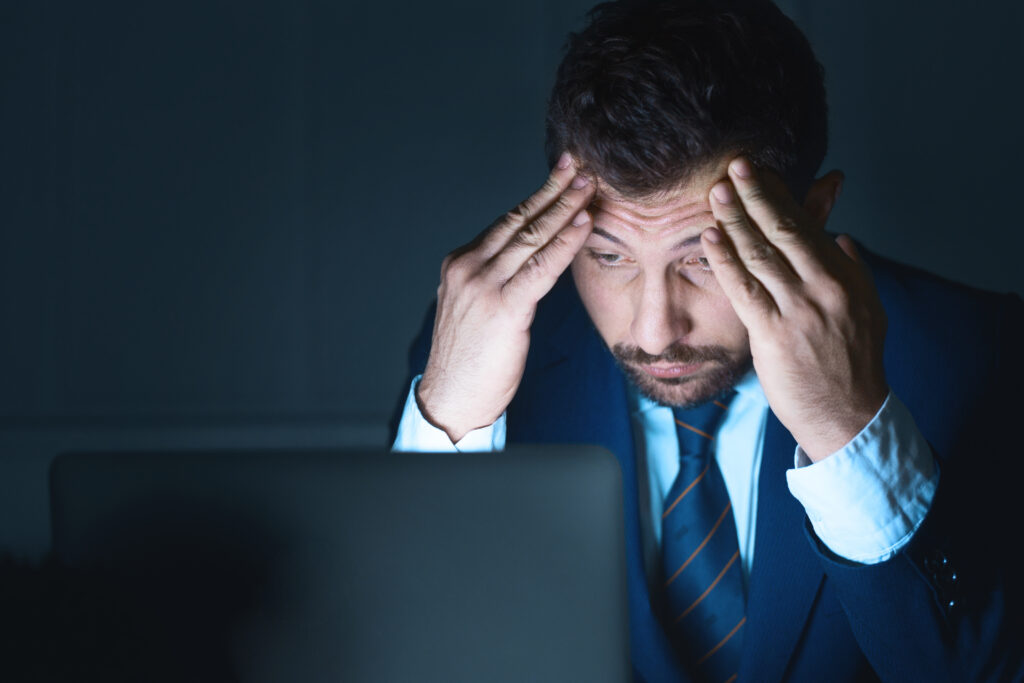
Long-Term Stress
While short-term stress usually poses minimal risk to overall health, long-term stress—also known as chronic stress—can have serious physical and psychological consequences. Chronic stress occurs when stressors persist over time and the body remains in a prolonged state of heightened alert.
Long-term stress has been associated with a wide range of health problems, including:
- Digestive issues
- Sleep disturbances
- Immune system dysfunction
- Sexual and reproductive difficulties
The longer stress remains unresolved, the greater the likelihood that it will negatively affect physical health and emotional well-being.
How Chronic Stress Affects the Body and Mind
Chronic stress does not affect everyone in the same way. Individuals may experience different symptoms depending on how their body responds to prolonged stress.
For some people, chronic stress may lead to:
- Digestive problems
- Sexual dysfunction or reduced libido
- Difficulty falling or staying asleep
- Persistent fatigue
Others may experience:
- Headaches
- Irritability or anger
- Feelings of sadness or emotional numbness
- Increased susceptibility to colds or infections
Because chronic stress can become part of a person’s daily routine, it is often less noticeable than acute stress. Unlike short-term stress, which may trigger immediate physical symptoms, long-term stress can quietly operate in the background.
As a result, individuals may not recognize that stress is contributing to their difficulties. Instead, chronic stress may manifest indirectly through conditions such as anxiety or depression.
Managing Stress
Effectively managing stress begins with awareness and early intervention. The following steps can help reduce the impact of both short-term and long-term stress.
1. Recognize the Signs of Stress
The most important step in managing stress is recognizing that it is present and affecting your life. Learning to identify stress-related signs and symptoms can help prevent long-term consequences.
Common warning signs may include:
- Difficulty falling or staying asleep
- Increased alcohol consumption
- Initiation or escalation of drug use
- Persistent low mood or depression
- Irritability or anger
- Ongoing fatigue or low energy
2. Rule Out Physical Health Conditions
Consult with a medical professional to ensure that symptoms are not caused by an underlying physical illness. Ruling out medical conditions is an important step before attributing symptoms solely to stress.
3. Increase Self-Awareness
Pay close attention to changes in your behavior, emotions, and physical health. Becoming aware of patterns or shifts can help identify whether stress—short-term or chronic—is contributing to these changes.
4. Seek Professional Support
If stress or stress-related symptoms are present, connecting with a psychologist can be highly beneficial. A mental health professional can help evaluate your situation, identify stressors, and develop strategies to reduce their impact.
5. Seek Immediate Help in Crisis Situations
In extreme circumstances, immediate professional intervention is essential. Seek urgent psychological support if you experience:
- Suicidal thoughts or ideation
- Thoughts of harming others
- Escalating or uncontrollable anger
- Severe alcohol or drug misuse
- Any situation that poses a risk to your safety or the safety of others
Early intervention can prevent further harm and support recovery.