


Concierge Psychology Exclusively for Professional Men, Executives, Physicians, Surgeons, & Attorneys

Marijuana Addiction

Exclusively for Professional Men, Executives, Physicians, Surgeons, & Attorneys

Marijuana Addiction

Exclusively for Professional Men, Executives, Physicians, Surgeons, & Attorneys

For driven, accomplished professionals, the line between managing stress and developing a dependency can shift gradually and without warning. Marijuana, long dismissed as a substance without addictive potential, is now recognized as capable of producing significant physical dependence, psychological reliance, and functional impairment, particularly among individuals who use it routinely to manage pressure, anxiety, sleep difficulties, or emotional discomfort. When a substance becomes woven into the daily architecture of a high-demand life, it stops being a choice and begins to function as a coping mechanism that quietly erodes clarity, motivation, and emotional presence.

Blair Wellness Group, led by Dr. Cassidy Blair, a Licensed Clinical Psychologist based in Beverly Hills and Irvine, offers specialized, evidence-based Psychotherapy for Marijuana Addiction designed specifically for professionals who cannot afford disruption to their careers, relationships, or reputations.

For executives, attorneys, physicians, entrepreneurs, and other high-achieving individuals who have found that marijuana use has moved beyond recreation into dependency, expert clinical support is available.

Why Prescription Drug Addiction Is Uniquely Difficult to Recognize

The defining challenge of Prescription Drug Addiction is that it does not announce itself the way other forms of Addiction often do. There is no illicit transaction, no social stigma attached to the initial use, and frequently, no moment of obvious transgression. The medication was prescribed for a real condition. The relief it provided was genuine. The progression from therapeutic use to compulsive dependence can occur gradually, over months or years, without a single clear turning point.

For professionals, this trajectory is further complicated by several factors. The demands of a high-pressure career can make any substance that relieves anxiety, enhances focus, or suppresses pain feel not merely acceptable but functionally necessary. Access to prescription medications is often greater for professionals in medical and legal fields, as well as for those with the financial resources to seek multiple prescribing physicians. And the cultural narrative surrounding prescription drugs as inherently safe because they are medically sanctioned can delay recognition of a problem by years.

By the time a professional acknowledges that prescription drug use has become Addiction, the psychological, relational, and professional consequences are frequently already significant. Effective treatment must account for not only the dependence itself but also the complex layers of denial, rationalization, and shame that surround it.

Dr. Cassidy Blair, Psy.D.

As a noted Licensed Clinical Psychologist, Performance Coach, and relationship expert, she has worked closely with top executives and professionals, helping them overcome a multitude of challenges in mental health disorders and addictive behaviors.

Prescription Drug Addiction Treatment

Millions of Americans are prescribed prescription pain medication by their doctors every year. Because it comes from their doctor and is dispensed by a pharmacist, most people trust that the drugs they are being prescribed are safe when taken as directed. For many, this is true — they can take their prescription without issue. However, there is an increasing number of misuse and addiction cases in the U.S. — especially involving people who have never abused drugs in the past

There’s a stigma around drug abuse as being something that only happens to those who live a particular lifestyle. But when it comes to prescription medication, it’s much more complicated than that. People are prescribed prescription medication for a variety of reasons including relief from pain due to an accident, injury, or degenerative disease. It’s also prescribed for help with certain mental health problems. The moral of the story is that prescription medication addiction can happen to anyone — even if you only use it for a short time and are diligent about taking it only as prescribed by your doctor. 

To learn more about prescription drug abuse, please keep reading. However, if you or someone you know is already struggling with prescription medication abuse or addiction, please contact Blair Wellness Group for caring and compassionate prescription drug addiction treatment in Los Angeles.  

Types of Prescription Drugs 

There are many different classes of prescription drugs, each one having a different effect on the brain. The following are the four that are most likely to be abused.

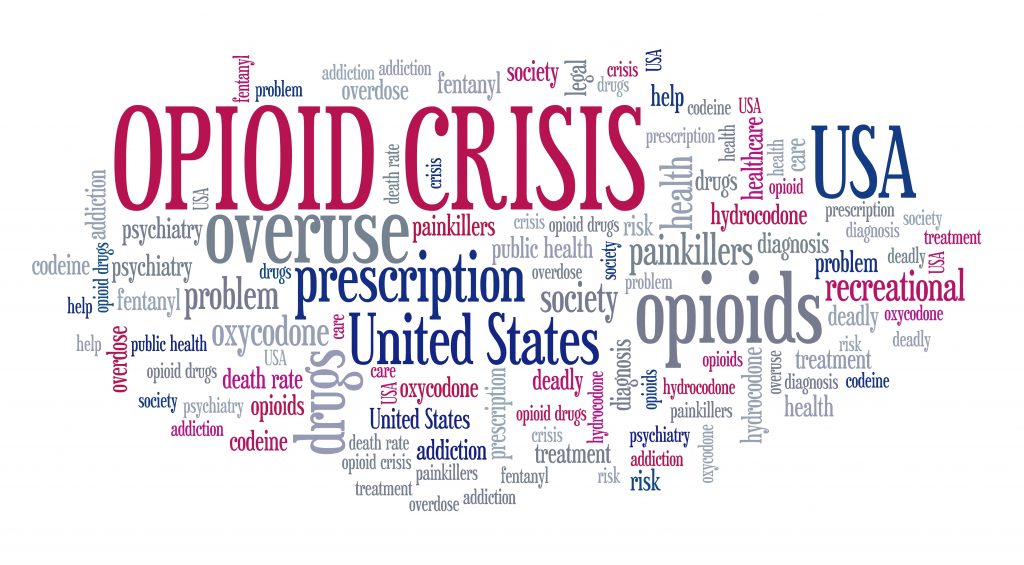
Opioids

This class of drugs is commonly used to relieve pain through their interaction with opioid receptors in the brain. They are known by such brand names as Vicodin, OxyContin, Fentanyl, and Percocet, among others.

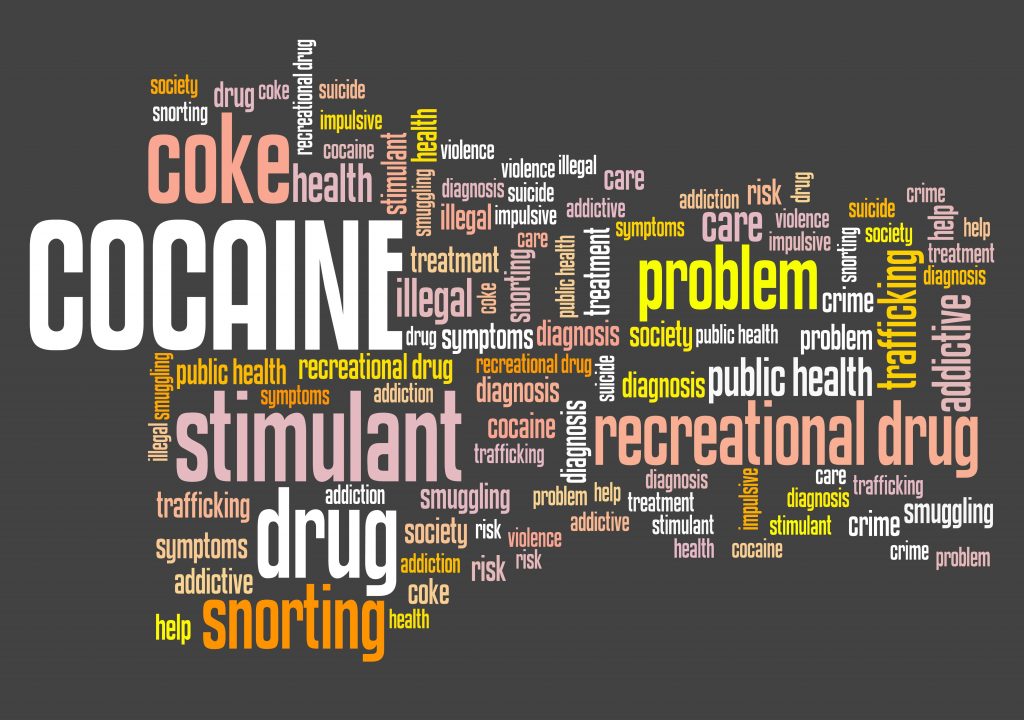
Stimulants

This class of drugs that includes amphetamines is used to stimulate the central nervous system. They are commonly prescribed for the treatment of attention deficit hyperactivity disorder (ADHD) and some sleep-related disorders. Most people know them as Adderall, Ritalin, and Dexedrine.

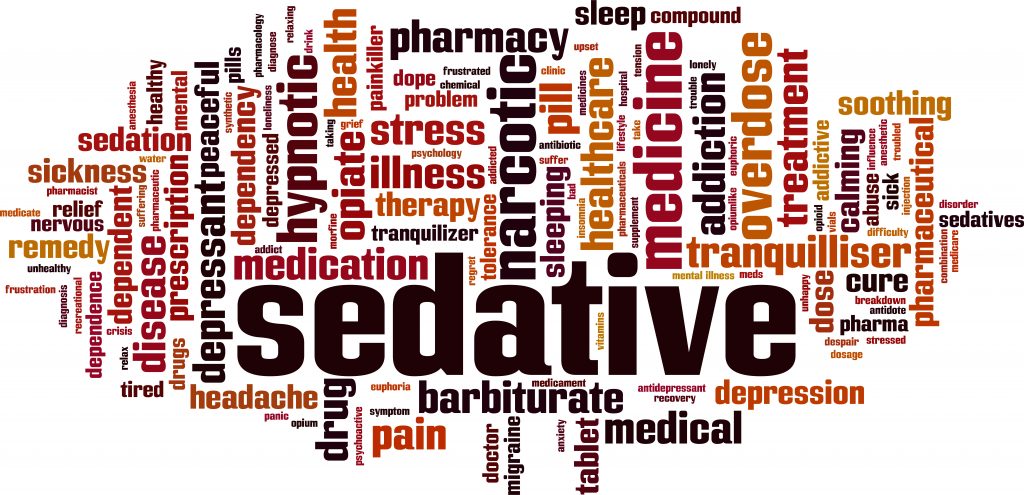
Sedatives

These drugs, also known as Benzodiazepines, are used for the treatment of anxiety and sleep disorders. They work by affecting a neurotransmitter in the brain to promote a calming effect. The most common brand names include Valium, Xanax, and Ambien.

Other Services

Group 13247

Office Hours

Mon - Fri :
7 am - 11 pm

Sat - Sun :
9 am - 10 pm

Why Prescription Drugs Pose Such a High Risk

Prescription drugs do their job by increasing or repressing certain brain neurotransmitters. For instance, opioids release the feel-good chemical dopamine in the brain. Sedatives, on the other hand, reduce the effect of a particular neurotransmitter to depress the central nervous system and relieve anxiety. Prescription drugs affect brain chemistry to achieve the desired result, but they can also permanently alter how the brain functions long-term. 

With prolonged use, changes in brain chemistry can occur, requiring the user to ingest higher amounts and more doses to achieve the same effect. This can also lead to drug dependence which is when you feel that you “need” the drug to function normally and experience withdrawal symptoms if you try to stop.

In addition to the side effects caused by taking a particular prescription drug, there is also a risk for interactions when taking them in combination with other medications. It is not uncommon for someone to be on more than one type of medication, but if the doctor or pharmacist is unaware of it, it could cause a life-threatening interaction. That’s why it’s always important to let your doctor know which drugs, vitamins, or supplements you are already taking before taking a new medication.

Potential Side Effects of Prescription Drugs

Prescription drugs can vary widely in their effects on a particular user. For this reason, some people may have a higher risk of side effects than another person taking the same dosage. Likewise, two people taking the same drug may have an entirely different experience with regard to side effects. One person may have erratic mood swings while another may feel drowsy or disoriented. 

Just because someone experiences side effects doesn’t mean that they are or have the increased potential to become addicted or dependent on the drug. Some people can use prescription medications for weeks, months, or even years without ever becoming addicted while others can start to become addicted after just one or two uses.

The short- and long-term effects of prescription drug abuse may vary from person to person and can be influenced by a variety of factors including genetics, mental health, previous use, and environmental contributors. Although prescription medications can affect everyone differently, the following are some of the most commonly reported side effects.

Side Effects of Opioids

Side Effects of Stimulants

Side Effects of Sedatives

Signs of a Potential Prescription Drug Problem

Many people take prescription medications and experience side effects, but never abuse them or become addicted. If, however, you notice some of the following behaviors, it could be a sign of a problem. Seek prescription drug addiction counseling from a Licensed Clinical Psychologist if you notice the following signs and symptoms in yourself or your loved one.

  • Going to multiple doctors or pharmacies to secure prescriptions
  • Forging or altering prescriptions
  • Getting prescription medications from friends or family members
  • Making illegal purchases out of the country or online
  • Stealing medication from hospitals, pharmacies, or other people’s homes 

Drug Addiction Treatment

Overcoming addiction of any type is difficult, but those who have used prescription medications for an extended period of time may find it particularly challenging. There are three steps toward overcoming a prescription drug problem — detoxification, behavioral treatment, and long-term management. At Blair Wellness Group, we provide drug addiction treatment services in Los Angeles that are designed to complement other drug and substance abuse treatments by focusing on healing people from the inside out. 

During the treatment process, patients have multiple weekly one-on-one sessions with a licensed, doctoral-level Clinical Psychologist who is professionally trained and skillfully experienced in the field of substance abuse and prescription drug addiction treatment. By combining different forms of evidence-based therapy to create an individualized treatment plan, your Licensed Clinical Psychologist addresses the root of the issue and allows you to heal from your Rx addiction. Each person can expect to receive the highest standard of quality care through a customized program that is tailored to meet their specific needs and goals. With the help of Dr.Blair, patients learn how to gain freedom from prescription drug abuse and develop the skills necessary to remain resolute in their sobriety. 

Take that first step toward positive and lasting change — contact Blair Wellness Group at 310.999.4996 for prescription drug addiction treatment services in Beverly Hills.

Get Started Today

Our Core Values

Discover effective solutions for addiction at Blair Wellness Group today. Call us at 310.999.4996 to schedule an appointment. We welcome patients from Beverly Hills, Los Angeles, Irvine, Newport Beach, and the surrounding areas.

reliable

Reliable

At Blair Wellness Group, we are here to meet your clinical needs at any time.

dedicatesd-support

Dedicated Support

Our team provides the compassionate care, support, and necessary interventions needed for our clients to achieve their goals and clinical objectives.

experience

Experience

With 15+ years of clinical experience in providing an array of psychological services, we are committed to helping our patients achieve their goals.

team-support

Professional Team Support

We are dedicated to the well-being of our clients and have the extensive training to provide them with high-quality care.

Other Services

Group 13247

Office Hours

Mon - Fri :
7 am - 11 pm

Sat - Sun :
9 am - 10 pm

Get Started Today

Recent Blogs Posted By Blair Wellness Group